
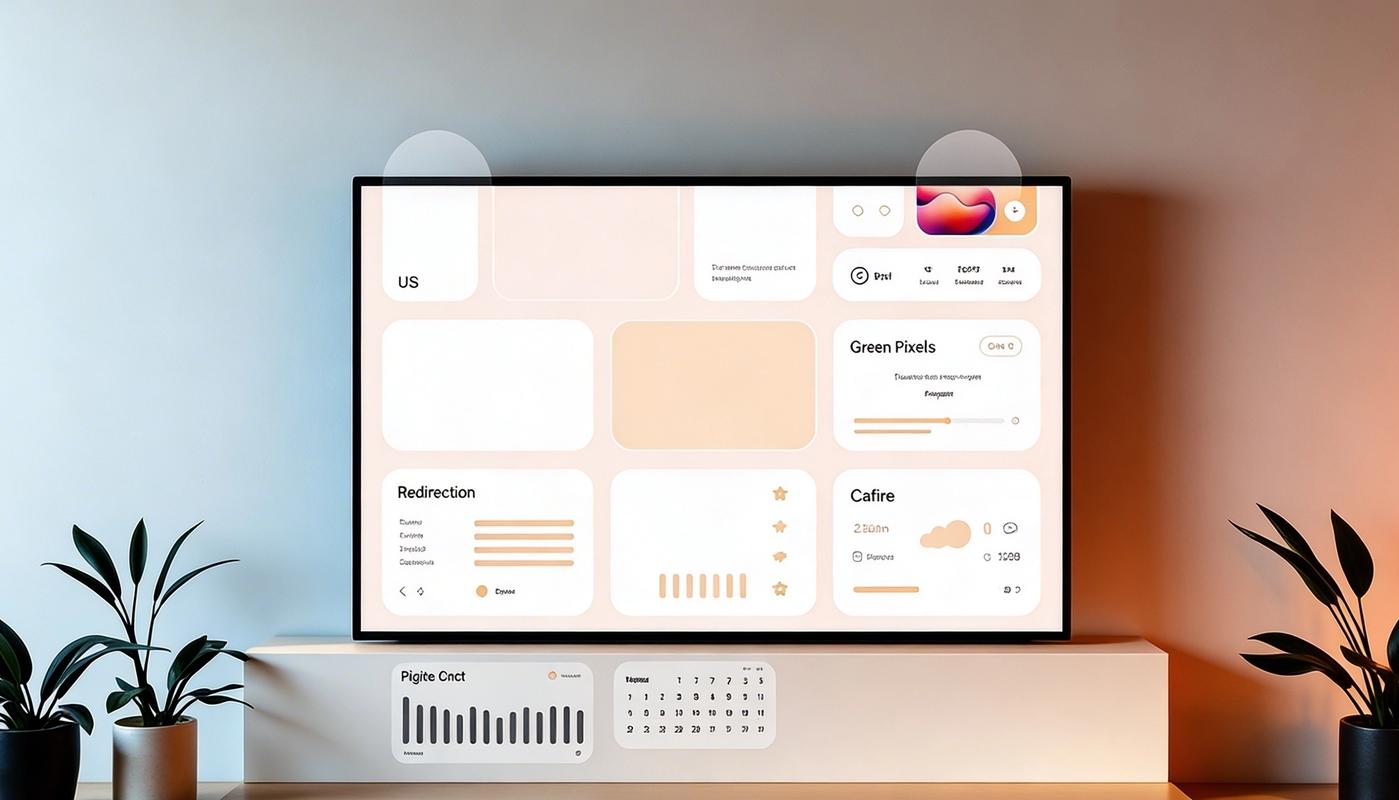
In 2026, building interfaces is no longer about designing individual pages. It is about constructing systems that can grow, adapt, and remain consistent across products, teams, and time.
The most successful digital products are not built page by page. They are built component by component—structured, reusable, and deeply integrated into a scalable design system.
A design system is no longer a luxury. It is the foundation of modern product development.
The Shift from Pages to Systems
There was a time when UI design revolved around screens. Designers created pages, and developers translated them into code. Each page was treated as a standalone artifact.
That approach no longer scales.
Modern products evolve constantly. Features are added, interfaces change, and user expectations increase. Without a system, every change introduces inconsistency and technical debt.
“You don’t scale products by designing more pages. You scale them by designing better systems.”
Component architecture replaces fragmentation with structure. Instead of building isolated pages, teams build reusable units that form a cohesive whole.
What Makes a Design System Truly Scalable
Not every design system is scalable. Many fail because they focus on documentation rather than architecture.
A scalable design system is:
- Modular by design
- Token-driven (colors, spacing, typography)
- Independent from specific pages
- Built for reuse across contexts
These systems are not static. They evolve alongside the product.
“A design system is not a style guide. It is a living infrastructure.”
When done right, it reduces duplication, accelerates development, and ensures consistency across every touchpoint.

Component Architecture as the Core
At the heart of every scalable system lies component architecture.
Components are not just UI blocks. They are functional units that encapsulate behavior, structure, and design.
A strong component system defines:
- Clear boundaries
- Predictable behavior
- Reusability across contexts
- Consistent API patterns
Here is a simplified example:
Loading code...
This abstraction allows teams to scale interfaces without reinventing patterns.
“Components are the atoms of scalable interfaces.”
Designing for Reuse, Not Just Appearance
One of the most common mistakes is designing components purely for visual consistency.
Scalability requires more than matching styles. It requires thinking in systems.
A reusable component must:
- Solve a repeatable problem
- Adapt to multiple contexts
- Remain flexible without breaking consistency
Bulletproof components balance constraints and flexibility.
Key considerations:
- Avoid over-specific components
- Use composition instead of duplication
- Define clear usage guidelines
The Role of Design Tokens
Design tokens are the invisible backbone of scalable systems.
They define the core values that drive design decisions:
- Colors
- Typography
- Spacing
- Motion
Instead of hardcoding styles, tokens create a single source of truth.
Loading code...
This approach ensures consistency across platforms and simplifies updates.
“Change the token, and the entire system evolves.”
Governance: The Missing Piece
Many design systems fail not because of poor design, but because of weak governance.
A scalable system requires:
- Clear ownership
- Contribution guidelines
- Versioning strategy
- Documentation discipline
Without governance, systems become fragmented over time.
Structure is what turns a system into a long-term asset.

Performance and Scalability Go Hand in Hand
A scalable design system is not only about UI consistency—it directly impacts performance.
Reusable components:
- Reduce bundle size
- Improve rendering efficiency
- Standardize optimization strategies
This leads to faster, more reliable interfaces.
“Performance is not added later. It is designed into the system.”
Design Systems as Growth Infrastructure
The most important shift is understanding that design systems are not design tools. They are growth infrastructure.
They enable:
- Faster product iteration
- Cross-team collaboration
- Consistent user experience
- Scalable development
A well-built system compounds value over time.
Conclusion
Building a design system that scales is not about creating a UI library. It is about designing an ecosystem.
It requires discipline, foresight, and a deep understanding of how products evolve.
The companies that master component architecture do not just build better interfaces—they build faster, more adaptable, and more resilient products.
A scalable design system is not an asset.
It is a competitive advantage.
You may also like

How to Build a Restaurant Website That Takes Online Orders (2026Guide)
Learn how to build a restaurant website that takes real onlineorders in 2026. From must-have features to tech stack, design tips, and a real case study —practical guide by Bravix Creative.

Why Every Business Needs a Modern Website in 2026 to Stay Competitive Online
Modern websites are essential in 2026. Learn how web development, SEO, and performance impact your rankings, traffic, and business growth.

Landing Page Mistakes in 2026: The Critical Errors That Kill Conversions and SEO Traffic
Discover the biggest landing page mistakes in 2026 and learn how to improve SEO, user experience, and conversions with modern strategies.