
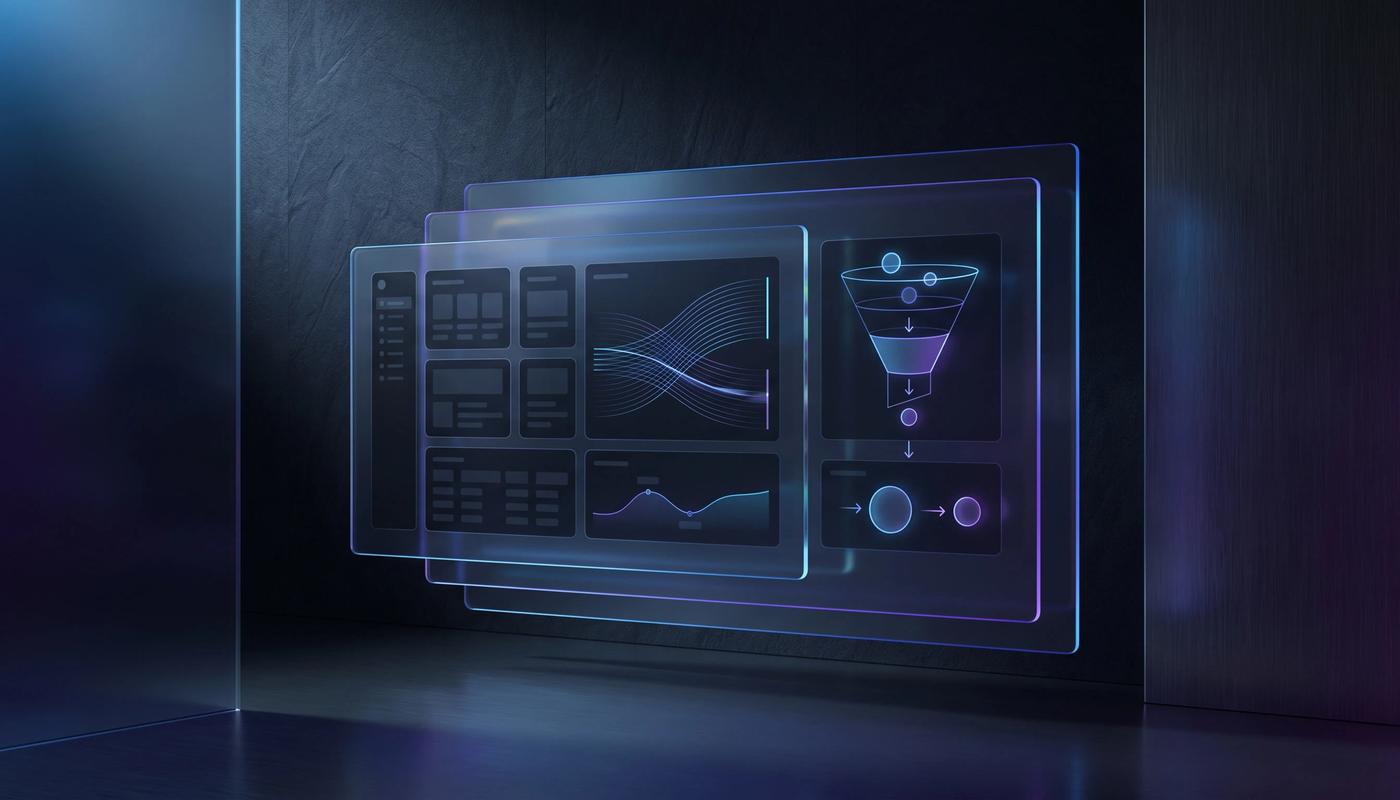
In 2026, a website is no longer simply where your brand exists online. It is where trust is formed, decisions are shaped, and growth either accelerates—or quietly stalls.
For years, businesses approached websites as presentation layers. A polished homepage, a few service pages, a contact form, and a clean visual identity were often considered enough. That model no longer reflects how digital experiences are evaluated today.
Modern users arrive with sharper expectations. They move quickly, judge interfaces instantly, and form opinions long before they consciously realize it. Search engines have evolved in parallel. They no longer assess websites only by metadata and keyword alignment—they increasingly evaluate experience, technical quality, behavioral signals, and the clarity of information architecture.
The result is simple: websites that merely look good rarely perform well.
Websites that convert are intentionally designed systems. They align messaging, interaction design, technical architecture, and psychological trust signals into a unified experience that removes friction at every step.
“The highest-converting websites do not persuade more aggressively. They make action feel more natural.”
At Bravix Creative, we increasingly see a clear divide between brands that treat websites as static assets and brands that approach them as conversion infrastructure. The latter consistently outperform—not because they market harder, but because they design smarter.
This philosophy reflects a broader modern web development approach in which UX, performance, and SEO are engineered together from the beginning rather than optimized separately later.
In this guide, we’ll explore what truly defines a high-converting website in 2026—and why the best-performing digital products are designed more like systems than pages.
Design Around Intent, Not Assumptions
The foundation of conversion is not visual design. It is understanding intent.
Too many websites begin with assumptions: what the brand wants to say, what leadership wants highlighted, what competitors appear to be doing, or what design trends feel current. Very few begin with the far more important question:
Why did the visitor arrive here in the first place?
That question changes everything.
Every visitor lands on a website carrying context—sometimes explicit, often subconscious. Some are searching for clarity. Others are validating trust before taking action. Some are comparing alternatives with careful skepticism, while others are already close to making a decision and simply need confidence in the next step.
Not all visitors arrive for the same reason. What separates a high-converting website from an average one is its ability to recognize that intent quickly and respond with precision.
When intent is understood, design becomes sharper. Messaging becomes clearer. Calls to action become more relevant. Pages feel easier to navigate because they align with what users already expect to find.
That alignment creates momentum.
Momentum creates conversion.
“Confusion is expensive. Clarity compounds.”
A website that immediately reflects visitor intent feels intuitive—not because it is visually impressive, but because it makes sense instantly.
That is where conversion begins.
Create Immediate Clarity Above the Fold
The first screen is where trust either begins—or weakens.
This is not because users are impatient. It is because attention is valuable, and ambiguity is costly.
When visitors land on your website, they instinctively evaluate four things within seconds:
What is this?
Is it relevant to me?
Can I trust it?
What should I do next?
If any of those questions remain unclear, friction appears.
Many websites still waste their most valuable visual real estate with vague positioning: “Innovative Digital Solutions,” “Building Better Experiences,” or “Transforming Business Through Technology.”
These statements sound polished, but communicate very little.
Clarity consistently outperforms abstraction.
Strong above-the-fold design combines positioning, value communication, visual confidence, and directional momentum into a single coherent system.
Loading code...
This is not simply content hierarchy—it is conversion architecture.
When users instantly understand what you do, who it is for, and why it matters, hesitation shrinks dramatically.
“The best headlines do not sound impressive. They make relevance unmistakable.”
That difference is subtle in design—and massive in conversion performance.
Build UX as a Journey, Not a Layout
High-converting websites do not feel like collections of sections.
They feel like guided movement.
This distinction matters.
Too many websites are designed as visual compositions rather than decision-making environments. They look organized, but they do not create momentum. They present information, yet fail to guide action.
Great UX understands that conversion is rarely a single decision. It is the result of sequential psychological progress.
Visitors move from curiosity to understanding, from understanding to trust, and from trust to action.
A well-designed website quietly supports that progression.
Structure matters. Reading rhythm matters. Visual hierarchy matters. Interaction feedback matters. Even spacing affects perception, because spacious layouts feel more premium, more confident, and easier to absorb.
This is why high-performing brands increasingly invest in custom web development services that allow UX architecture to be intentionally designed rather than constrained by template limitations.
Templates can assemble pages.
Systems shape decisions.
That difference is where conversion gains are often found.
“Good UX does not push users forward. It removes every reason to stop.”
The best interfaces feel effortless because complexity has already been removed before the visitor ever encounters it.
Treat Performance as Part of Persuasion
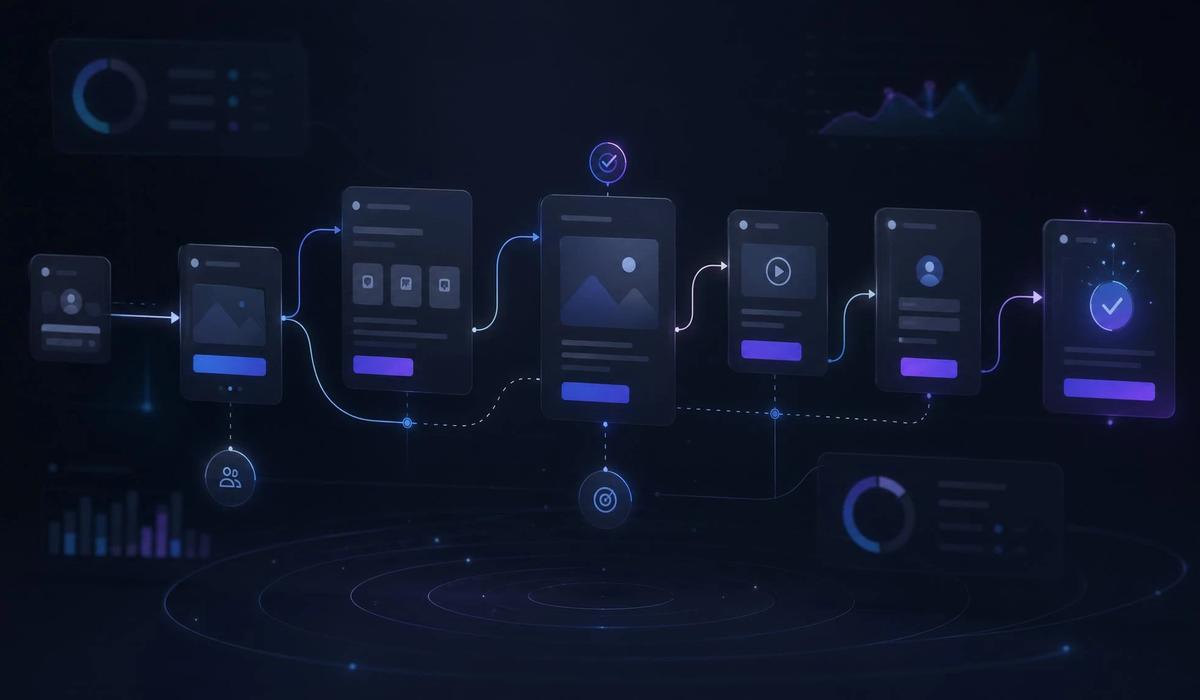
Performance is no longer a technical layer beneath design. It is part of design.
More importantly, it is part of persuasion.
Users interpret speed emotionally long before they interpret it technically. A fast website feels reliable. It feels modern. It feels professionally built. It communicates competence before a single sentence is read.
A slow website communicates the opposite.
Even small delays subtly weaken confidence.
In 2026, technical performance directly shapes both ranking and conversion because speed affects engagement, interaction quality, and perceived trustworthiness simultaneously.
Modern optimization is no longer about compressing assets at the end of a build process. It begins at the architectural level—with rendering strategy, caching logic, payload control, and efficient delivery systems.
Framework choice now matters significantly.
This is why Next.js SEO optimization has become increasingly valuable for brands focused on both visibility and conversion performance. Its rendering flexibility, technical SEO strengths, and performance advantages create measurable gains in user experience as well as crawl efficiency.
Loading code...
“Speed is not simply how quickly a page loads. It is how quickly confidence forms.”
Fast experiences convert better because they feel better.
That perception becomes behavior.
Behavior becomes business growth.
Design Trust Into the Interface
Most websites ask for action before earning confidence.
That is one of the most expensive mistakes in digital design.
Conversion is rarely blocked by poor offers alone. More often, it is blocked by unresolved uncertainty.
Visitors hesitate when they feel risk.
They hesitate when expertise feels unclear.
They hesitate when claims feel unsupported.
They hesitate when presentation feels inconsistent.
Trust removes hesitation.
The strongest websites understand that trust is not built through promises—it is built through signals.
Professional typography signals quality. Consistent visual systems signal discipline. Clear positioning signals expertise. Thoughtful interaction design signals competence. Transparent messaging signals confidence. Strong information architecture signals clarity.
And proof matters more than all of them.
Demonstrated outcomes, thoughtful case studies, and visible expertise transform credibility from a claim into evidence.
That is why showcasing real-world case studies remains one of the strongest conversion and SEO trust signals available to modern brands.
“People do not convert when they are impressed. They convert when they feel certain.”
Certainty is designed.
That is what trust-centered UX does exceptionally well.
Mobile UX Must Lead the Experience
Mobile is no longer the smaller version of desktop.
For most brands, it is the primary experience.
That shift changes design philosophy completely.
Mobile visitors behave differently—not simply because of screen size, but because of context. They move faster, evaluate information more aggressively, tolerate friction less, and make decisions with dramatically shorter attention windows.
This means interfaces must communicate faster, guide more clearly, and remove complexity earlier.
Mobile-first design is not about shrinking layouts.
It is about redesigning flow around mobile behavior.
High-converting mobile experiences prioritize immediacy, clarity, intuitive touch interaction, lightweight rendering, and form experiences that feel almost invisible.
Every unnecessary field increases drop-off.
Every unclear action creates hesitation.
Every performance issue compounds abandonment.
“Mobile users rarely forgive friction. They simply leave.”
The brands winning in conversion today are designing for mobile reality—not desktop nostalgia.
That distinction is now enormous.
Think in Systems, Not Pages
The highest-converting websites are never isolated pages.
They are integrated systems.
Every page supports positioning.
Every interaction reinforces trust.
Every content layer supports SEO visibility.
Every technical layer supports performance.
Every design layer supports clarity.
Every journey supports action.
That is what makes conversion scalable.
When brands think systemically, improvements compound rather than remain isolated. Better UX improves engagement. Better engagement strengthens SEO signals. Better technical performance improves crawlability and trust. Better positioning improves conversion efficiency.
Everything begins strengthening everything else.
This is where scalable digital systems outperform fragmented websites built page by page without strategic architecture.
“The most valuable websites do not function like marketing assets. They function like growth engines.”
That is the future of digital conversion.
Not prettier pages.
Smarter systems.
Conclusion
Designing a high-converting website in 2026 is no longer about visual polish alone. It is about strategic clarity, engineered trust, technical excellence, and thoughtful user flow working together as one system.
The websites that consistently outperform are not louder. They are clearer.
They are not more aggressive. They are more intuitive.
They are not simply optimized. They are intentionally designed around how people think, decide, and act.
When design, UX, performance, and SEO move in the same direction, conversion stops feeling like persuasion.
It starts feeling inevitable.
That is what high-converting websites do best.
They make the next step feel obvious.
You may also like
How to Build a Restaurant Website That Takes Online Orders (2026Guide)
Learn how to build a restaurant website that takes real onlineorders in 2026. From must-have features to tech stack, design tips, and a real case study —practical guide by Bravix Creative.

Why Every Business Needs a Modern Website in 2026 to Stay Competitive Online
Modern websites are essential in 2026. Learn how web development, SEO, and performance impact your rankings, traffic, and business growth.

Landing Page Mistakes in 2026: The Critical Errors That Kill Conversions and SEO Traffic
Discover the biggest landing page mistakes in 2026 and learn how to improve SEO, user experience, and conversions with modern strategies.